How to choose the best shoes to prevent falls
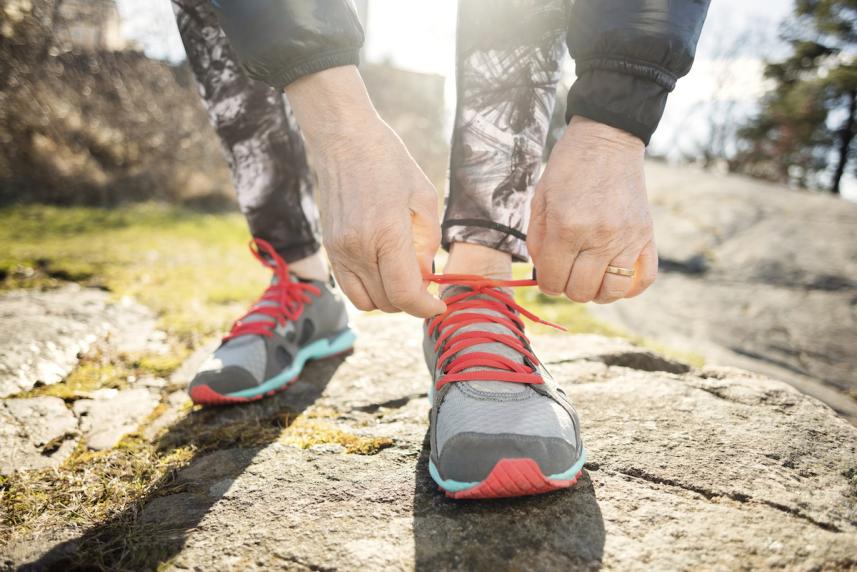
Wearing the right footwear can help you stay steady on your feet. Here's what you should look for when buying your next pair of shoes.
The information in this article is for educational purposes only and is not intended to replace medical advice from your doctor.
We’ve all bought a pair of shoes that doesn’t fit properly. From pinching to pain to blisters, poorly fitting shoes can make every step you take feel miserable. But the right shoes aren’t just comfortable. They can also help prevent you from falling.
Falling is a major concern for older adults. About 3 million seniors wind up in the emergency room every year because of a fall, the Centers for Disease Control and Prevention reports. Making smarter shoe choices is one way to help protect yourself.
Here are six things to consider the next time you’re shopping for new shoes — or wearing ones you already have.
Avoid certain shoe styles
If you’re already a little unsteady on your feet, you should steer clear of certain types of shoes. According to the National Council on Aging, these are the shoes that are linked to a higher risk of falling:
- High heels (higher than 1.75 inches)
- Narrow heels (less than 20% width of the heel)
- Loose shoes that lack laces, straps, or buckles (think: mules and slides)
- Shoes with smooth soles
Choose firm shoes
One study found that the best shoes for older people are those with low heels that are firm and slip resistant. Firm shoes tend to have harder soles, so your feet will be more secure and steady.
Slip-resistant soles should be made of rubber and have grippy treads. The study authors also recommended wearing shoes with heels that are rounded in the back to help your feet land more smoothly.

Your plan includes a yearly at-home health assessment — at no added cost.
8 a.m. to 11 p.m. ET M–F; 9 a.m. to 5 p.m. ET Sat. (TTY: 711)
Wear shoes with selective cushioning
Shoes with better cushioning under the areas of high foot pressure, such as the ball of the foot and the heel, were most beneficial for preventing falls, according to research. Look for shoes that are described as “cushioning” or labeled as “walking shoes.” You can also visit an orthopedic footwear store that can help provide specific options that will work best for your feet.
Try vibrating insoles
One potential cause of falls is decreased sensitivity on the surface of the feet, which can lead to balance problems. One solution for this is to wear vibrating insoles, which have been shown to improve balance and lower the risk of falling.
Simply slip the insoles into the bottom of your shoe, and they will deliver random, gentle vibrations to your feet. In fact, it’s so gentle you might not even notice it. One brand to try: Vibrathotics.
Wear shoes while you’re at home
Yes, this does mean inside. A study of adults ages 70 and older in Footwear Science found that at the time of a fall, more than half of them were barefoot, wearing socks without shoes, or wearing slippers. Based on the results, the researchers recommend that older adults wear shoes at home, whenever possible, to minimize the risk of falling.
Seek treatment for plantar fasciitis and other foot pain
If you struggle with plantar fasciitis, you may be more likely to take a tumble. Plantar fasciitis is a foot condition that causes inflammation of the plantar fascia. That’s the thick tissue that connects your heel bone and toes. Because the tissue runs along the bottom of your foot, you may feel a stabbing pain when you stand up after sitting or lying down for a long time.
One study found that foot pain, especially from plantar fasciitis, was linked to an increased risk of falls in healthy older people. Researchers noted that having your feet assessed and foot pain managed — as well as wearing proper footwear for plantar fasciitis — can help prevent falls. Talk to your podiatrist to ask for her best shoe recommendations.
See our sources:
Number of seniors who fall every year: Centers for Disease Control and Prevention
How the right shoes can protect you from falling: National Council on Aging
Footwear and falls in the home: Footwear Science
Optimizing footwear for older people at risk of falls: Journal of Rehabilitation Research and Development
Foot pain, plantar pressures, and falls in older people: Journal of the American Geriatrics Society
Distribution of the highest plantar pressure regions in patients with diabetes: Journal of Diabetes Research
Foot disorders and falls in older persons: Gerontology
Y0114_25_3015275_0013_I_C 3/13/2025 1080921MUMENMUB 0013